A
nightmare to some, yet a dream come true to others. But crude oil may not
be running out just as fast as we think. There are a few reasons for this reasoning one of these being the new technologies that enable
us to continuously reach oil that was previously unobtainable, and the vast quantities of fuel we have left may make the
thought of running out of fuel a thing of the past.
Most
people don’t understand the sheer immensity of the oil we have available to us.
Most of the population has been somewhat brainwashed into thinking that oil is
running out. Now this is mostly because oil is non-renewable, unclean, and the
production, transportation and use of oil can be harmful to the environment. For
those reasons most articles try convincing people that oil is running out so we
should lose our dependency on it. In actuality, it is not running out, which
gives us even more of a reason to lose that same dependency.
From
1870 to 2009 scientist have estimated that we have used approximately 135
billion barrels of oil. At the rate we are using oil it some sources say we will
run out of all our current oil by approximately 2060. What most don’t know is
that when that number 2060 is thrown around, that is assuming that we continue
to deplete all the current wells we have in use, but that does not factor in the
finding of wells that happen so often. In actuality we have more oil than
most people think The Alberta oil sands alone have an estimated 1.84 trillion
barrels of oil in them that is yet to be extracted. Only 9% of this oil is
currently extractable with our current technology. Eventually though technology
will evolve until we can extract that oil. Once that oil is extractable, compare
that 1.84 trillion barrels to the 135 billion barrels we have used from
1870-2009, that means that the oil sands contain an estimated 13.6 times the amount
of oil we have used between 1870 and 2009. And it is only a matter of time before
the technology evolves enough for us to extract all of it. And that is the oil
sands by itself. Add that to the deep water reserves in Brazil with an estimated
150 million barrels in them, and Linc energy who plan to extract 233 million
barrels from shale rock in Australia. Those are just a few oil reservoirs
listed and there are plenty more being discovered in relatively unexplored places
like Antarctica and Artic with estimated amount of barrels going into the
trillions. When sources say that we will run out by 2060 that is assuming we do
not try and extract oil from these areas where oil is unobtainable, and
continue to only use the current wells we have dug.
 I
just mentioned that some of the oil such as the Alberta oil sands was
unobtainable at the moment due to its location and difficulty to extract. But new
oil will be continuously found and extracted as long as new technologies are
created to help oil companies do so. We will quickly find that with all the
new technologies and ways of extracting this difficult to reach oil, the so called unobtainable oil in the oil sands will eventually give birth
to the trillions of barrels it contains. Currently oil more than 8 miles
underground is more or less off limits due to the fact each pipe must be
minutely smaller than the pipe previously laid. This is because the way that
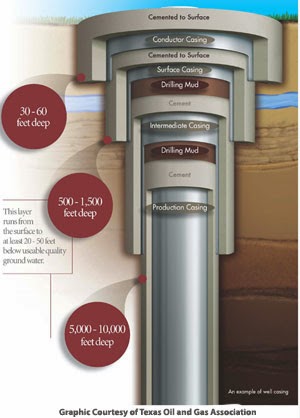
the pipes reach the oil deep underground is that the biggest pipe is at the top
and to reach the bottom they need to continuously push smaller pipes through
the original pipe. The problem encountered past 8 miles is that the original
pipe must an enormous width to pump a sufficient amount of oil to the surface. Shell claims to
now have pipes that expand once pushed through the top pipe; this will enable
them to push pipes deeper than ever without having to keep making their pipes larger and larger. New drills are now able to drill vertically as always but if they miss the oil they are now able to drill up to 200 miles horizontally allowing them to
practically never miss an oil well.
I
just mentioned that some of the oil such as the Alberta oil sands was
unobtainable at the moment due to its location and difficulty to extract. But new
oil will be continuously found and extracted as long as new technologies are
created to help oil companies do so. We will quickly find that with all the
new technologies and ways of extracting this difficult to reach oil, the so called unobtainable oil in the oil sands will eventually give birth
to the trillions of barrels it contains. Currently oil more than 8 miles
underground is more or less off limits due to the fact each pipe must be
minutely smaller than the pipe previously laid. This is because the way that
the pipes reach the oil deep underground is that the biggest pipe is at the top
and to reach the bottom they need to continuously push smaller pipes through
the original pipe. The problem encountered past 8 miles is that the original
pipe must an enormous width to pump a sufficient amount of oil to the surface. Shell claims to
now have pipes that expand once pushed through the top pipe; this will enable
them to push pipes deeper than ever without having to keep making their pipes larger and larger. New drills are now able to drill vertically as always but if they miss the oil they are now able to drill up to 200 miles horizontally allowing them to
practically never miss an oil well.
But
just because these options are there doesn't mean they are safe for the environment.
What
people need to understand about oil is if there is a demand for it, there will
always be new ways to go deeper and extract the unextractable no matter how
much it damages then ecosystem around it and we will never run out of oil
because there will always be new wells and easier ways to get the oil out. Currently
oil prices are continuously rising despite the fact that we still have plenty
of oil available and it is baffling that they are rising if there is
unlimited oil as many sources have claimed. Well one of the reasons is because it
is getting harder to reach. But eventually the new technologies to reach deeper
oil will become cheaper as it becomes less “new” so the price will stop being affected
by that. The main reason for the continuously rising oil price is: why not raise the price? All the oil
companies are privately owned and prices are only regulated to a certain
degree. despite there being some laws stopping oil companies from inflating
the price to the extreme, they are still able to raise the price over
time. And as long as people need to put gas in their cars the oil companies
will have them under control and will continuously be able to raise prices
because people have no choice.
If
there is anything you remember from this article I hope you realize that there
will not be a day when the oil will dry up. As long as there is a demand for
oil and a spark of innovation in the mind; the oil companies will continue to find
new oil despite the ecological costs. The price of oil is not an indication of whether
we are running out or not, but it is an indication of how desperate we are for
oil. It is up to us to lessen our dependency on oil for the sake of the environment,
despite the fact that it will always be available.


